304 stainless steel and 316 stainless steel are two grades widely used in industry, construction and marine applications. Their main difference lies in their chemical composition and resistance to corrosion.
304 Stainless Steel for Use in Mild Environments
304 stainless steel, also known as food-grade stainless steel, contains approximately 18% chromium and 8% nickel. It offers excellent resistance to oxidation and corrosion in indoor or mildly aggressive environments. It is commonly used for kitchen equipment, furniture, guardrails and standard industrial applications.
316 Stainless Steel for Outdoor Use in Marine Environments
316 stainless steel has a similar composition but also contains molybdenum, generally 2 to 3%. This element significantly improves its corrosion resistance, particularly against seawater, salt spray, chemicals and humid atmospheres. This is why 316 stainless steel is often referred to as marine-grade stainless steel.
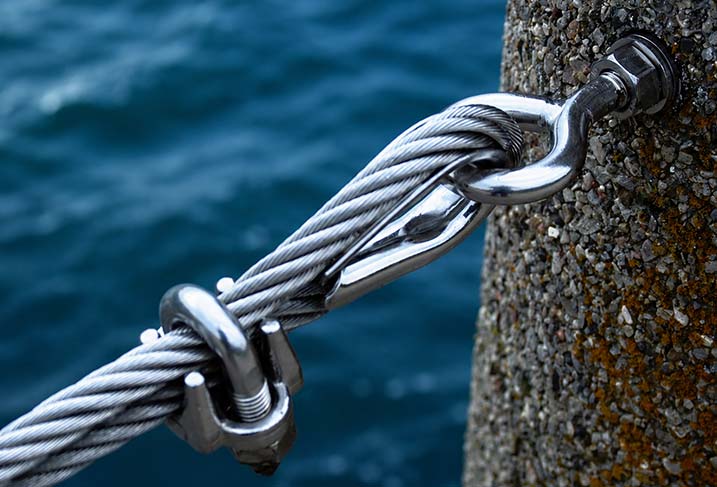
For outdoor applications near the coast, nautical equipment, seaside guardrails or installations exposed to corrosive agents, 316 stainless steel is highly recommended. Although it is more expensive than 304 stainless steel, its superior durability helps reduce the risk of premature corrosion and maintenance costs.
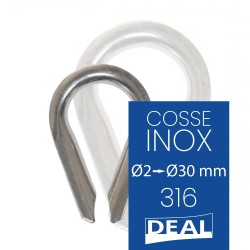
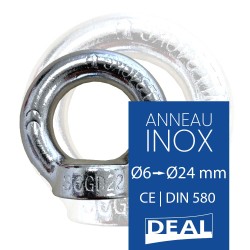
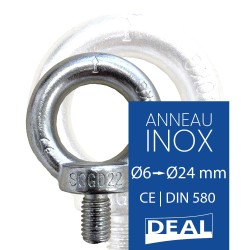
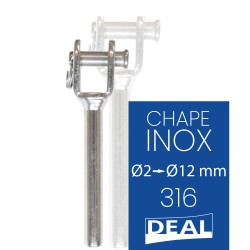
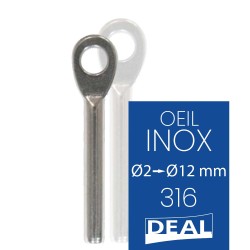
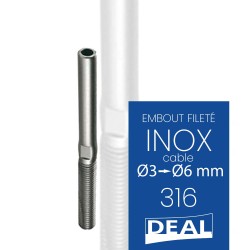
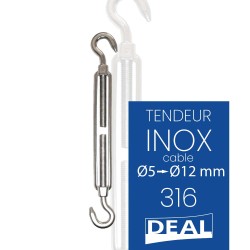
Deal has deliberately chosen marine-grade stainless steel. The wire rope we sell, as well as our accessories, are all made from 316 stainless steel for the most demanding outdoor applications.